Model and Provider Agnostic Approach: Staying Ahead in the Rapidly Evolving AI Landscape

James Phoenix
James Phoenix

Summary

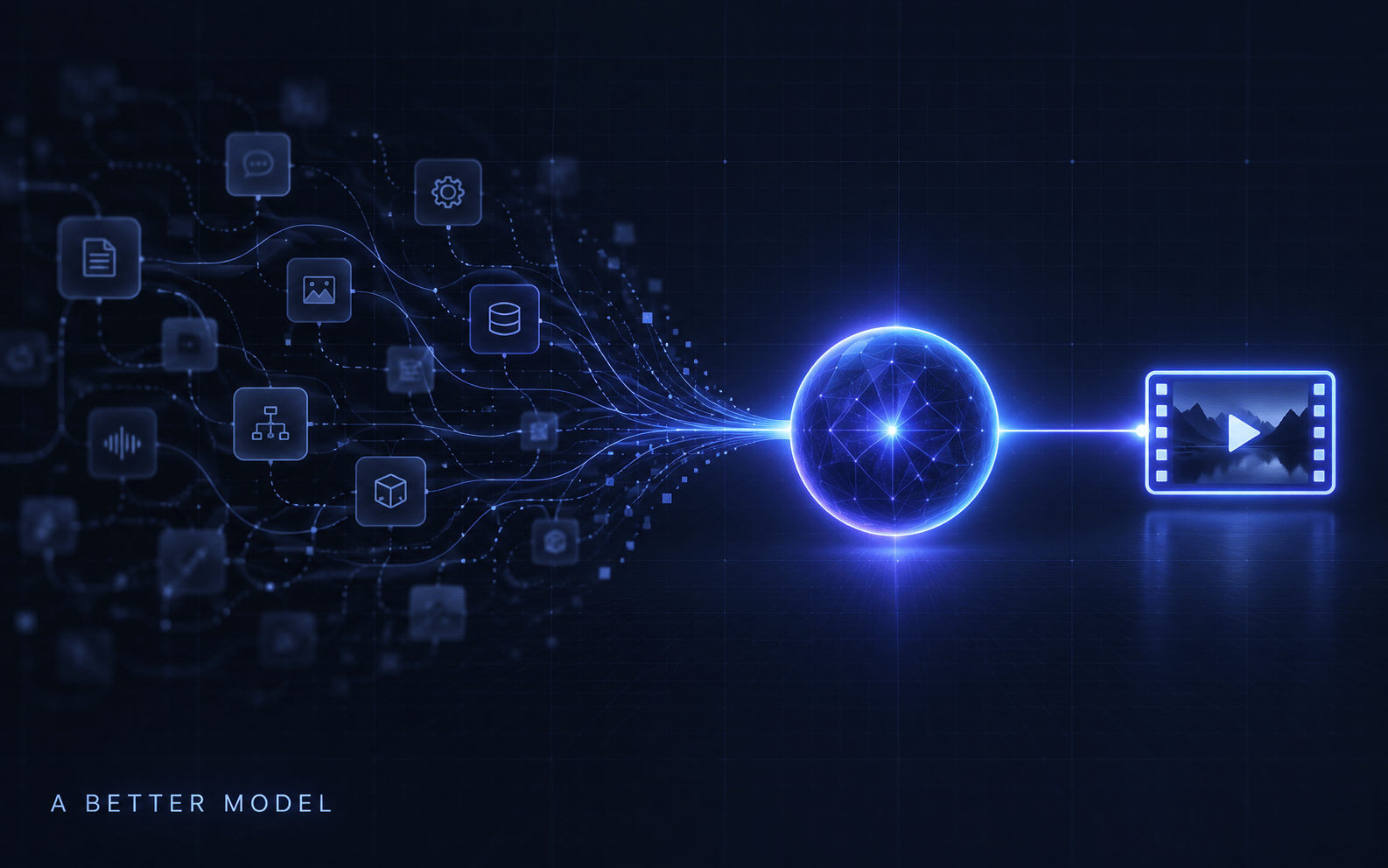
Locking into a single AI model or provider prevents leveraging new capabilities as the ecosystem evolves rapidly. This proven approach advocates building provider abstractions, regularly evaluating new models, and switching quickly when better options emerge. New model releases can provide 5-10% improvements that compound over time.

The Problem

Locking into a single model or provider prevents leveraging new capabilities. The AI ecosystem changes rapidly with new releases that can provide 5-10% improvements in code quality, speed, or cost. Traditional software engineering promotes stability (choose a stack, stick with it), but AI-assisted coding requires flexibility.

The Solution

Build abstraction layers over model providers to enable quick switching. Allocate 10% of time to testing new models on benchmark tasks. Maintain a portfolio of providers optimized for different use cases (e.g., Claude for tool use, GPT for code generation, Gemini for batch processing). Switch immediately when empirical evaluation proves a new model superior.

Leanpub Book

Read The Meta-Engineer

A practical book on building autonomous AI systems with Claude Code, context engineering, verification loops, and production harnesses.

Continuously updated
Claude Code + agentic systems
View Book

Related

References

Explore it visually

Topics
Ai AgentsCost OptimizationEvaluationMCPMeta DevelopmentSoftware ArchitectureStartups

Newsletter

Become a better AI engineer

Weekly deep dives on production AI systems, context engineering, and the patterns that compound. No fluff, no tutorials. Just what works.

Join 306K+ developers. No spam. Unsubscribe anytime.


More Insights

Cover Image for Why Unrealistic /goal Targets Keep Coding Agents Working Longer

Why Unrealistic /goal Targets Keep Coding Agents Working Longer

I used an unrealistic tutor-discovery target to keep Codex working beyond a finished-sounding handover. Here is the run, the results and the reusable prompt.

James Phoenix
James Phoenix
Cover Image for Why I Threw Away My Video Harness When Opus 5.5 Arrived

Why I Threw Away My Video Harness When Opus 5.5 Arrived

I spent £700 on video analysis. A week later, Opus 5.5 outperformed my custom harness and changed how I think about constraints, consistency and model progress.

James Phoenix
James Phoenix